


On 14 and 17 October, MU.SA — the Museum of Arts of Sintra — hosts the “Danuta Wojciechowska” illustration workshops, an invitation to discover the art of illustration.
Find your next plan.
In the spotlight
Our picks for the next 14 days
until 3 Oct
Free
Live music
Jovens Pauliteiros de Miranda bring Mirandese dance and language to Praça CCB
CCB - Centro Cultural de Belém · Lisbon
Today
Live music
Concerts for Babies – A Bebé Curiosa
Centro Cultural Olga Cadaval · Sintra
17,50€

Sat 3 Oct 17:00
Party
ELEVIN + TREBLE - Open-Air + Club - Sunset to Sunrise
Praia de Bafureira · Cascais

Fri 2 Oct 16:30
Cinema
ARCO | 27th French Cinema Festival
Cinema São Jorge · Lisbon
6€

until 28 Nov
Theatre
The Lapedo Boy
Museu Arqueológico de São Miguel de Odrinhas · Sintra

Sat 10 Oct 17:00
Free
Live music
Beyond words: where poetry becomes sound, piano recital by Felipe Novellino
Museu da Música Portuguesa · Cascais

Sun 4 Oct 22:00
DJ set
Riktus presents: GAIVEU All Night Long #2
Ministerium Club · Lisbon
Mon 5 Oct 18:00
Party
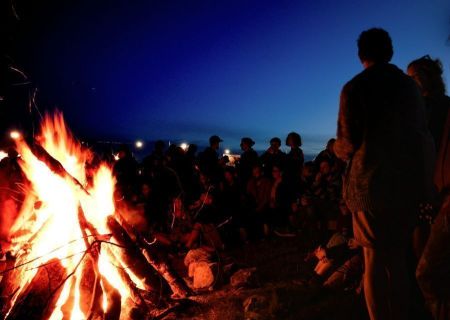
Nights of the Rescue of Being
Eco Retiro de Galamares · Sintra

Sun 4 Oct 10:00
Free
Party
Animal Party 2026
Parque Marechal Carmona · Cascais

Sat 10 Oct 21:00
Live music
Blue Love | Gilberto Gil & Aldo Brizzi
Coliseu dos Recreios · Lisbon
60€

Sat 3 Oct 11:00
Live music
Architecture Tour with Thiago Bernardes
Albuquerque Foundation · Sintra
€10

until 31 Dec
Free
Exhibition
Archaeological Adventure at the Vila Museum
Museu da Vila · Cascais
- Jovens Pauliteiros de Miranda bring Mirandese dance and language to Praça CCB until 3 Oct· Free CCB - Centro Cultural de Belém · Lisbon
- Concerts for Babies – A Bebé Curiosa Today Centro Cultural Olga Cadaval · Sintra
- ELEVIN + TREBLE - Open-Air + Club - Sunset to Sunrise Sat 3 Oct· 17:00 Praia de Bafureira · Cascais
- ARCO | 27th French Cinema Festival Fri 2 Oct· 16:30 Cinema São Jorge · Lisbon
- The Lapedo Boy until 28 Nov Museu Arqueológico de São Miguel de Odrinhas · Sintra
- Beyond words: where poetry becomes sound, piano recital by Felipe Novellino Sat 10 Oct· 17:00· Free Museu da Música Portuguesa · Cascais
Ongoing: 285 exhibitions, runs & attractions ↓
Morning 1 event
Afternoon 1 event
Lado BB | The Truth
3,2€ Cinema
The Lado BB strand screens La Vérité, Hirokazu Kore-eda's drama in which Catherine Deneuve plays a film star whose fragile relationship with her daughter resurfaces; tickets are 3,20€ with discounts available.
Evening 8 events
Joshua Decter - The History of Art on Social Media
Free Exhibition
A series of three lectures by Joshua Decter, in partnership with AIR 351, proposing a revisionist history of contemporary art through its recontextualisation on social media. The event will be conducted in English.
Noémia Delgado | Máscaras
3,2€ Cinema
A screening of Noémia Delgado's film "Máscaras", with tickets at 3,20€ and discounts for Friends of the Cinemateca, students, over-65s and other groups.
Techno Yoga with Kate Zubok
DJ set
Kate Zubok — DJ, producer, free diver and yogi — leads Techno Yoga, a fusion of breathwork, conscious movement and dancing to Berlin minimal techno, every Wednesday at TEJÁ House on the Cais do Sodré riverside.
Lado BB | Et Dieu... Créa La Femme
3,2€ Cinema
The Lado BB programme at the Cinemateca screens Et Dieu... Créa La Femme, with general tickets at 3,20€ and discounts available.
TEMPERS
24€ 12+ Live music
Tempers, Jasmine Golestaneh's solo project, brings the songs from the new album 'Delusion' (2026) live to the Rés do Chão on 14 October. Synth-pop, techno, post-punk and shoegaze continue to define her sonic universe.
Lado BB | Viva Maria!
3,2€ Cinema
The Lado BB cycle dedicated to Brigitte Bardot screens Viva Maria!, Louis Malle's adventure comedy starring Bardot and Jeanne Moreau, at the Cinemateca; tickets are 3,20€ with discounts for Cinemateca friends, young people, students and seniors.
Nina Maia
11€ 12+ Live music
Nina Maia presents the songs from her acclaimed debut album 'INTEIRA' (2024) at the Sótão da Casa on 14 October, where MPB and bossa nova meet indie-pop. Tickets cost €10 + fees online and €13 at the door.
Mothership
10€ DJ set
Every Wednesday from midnight to 6am at Temple Club, the Visionaries x Freaky Fiction alliance boards the Mothership for galactic explorations, with an open beer bar until 01:00 and free entry on your birthday.