


In this visit, we talk with the gardener responsible for the challenge of keeping the Gulbenkian Garden a paradise for everyone.
Find your next plan.
What are you in the mood for? All moods · choose to filter
In the spotlight
Our picks for the next 14 days
Today
Free
DJ set
Partimento – Family Edition
IDB Rooftop by Mirari · Lisbon
Tue 29 Sept
Live music
Concerts for Babies – A Bebé Curiosa
Centro Cultural Olga Cadaval · Sintra
17,50€

Sat 3 Oct 17:00
Party
ELEVIN + TREBLE - Open-Air + Club - Sunset to Sunrise
Praia de Bafureira · Cascais

Sat 3 Oct 11:00
Live music
FESTIVAL BIG BANG: CLOUDBUSTING
Centro Cultural de Belém · Lisbon
4,5€
Mon 5 Oct 18:00
Party
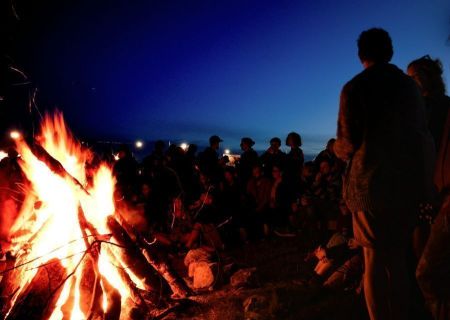
Nights of the Rescue of Being
Eco Retiro de Galamares · Sintra

Sat 10 Oct 17:00
Free
Live music
Beyond words: where poetry becomes sound, piano recital by Felipe Novellino
Museu da Música Portuguesa · Cascais

Sun 4 Oct 22:00
DJ set
Riktus presents: GAIVEU All Night Long #2
Ministerium Club · Lisbon
Today 10:00
Other
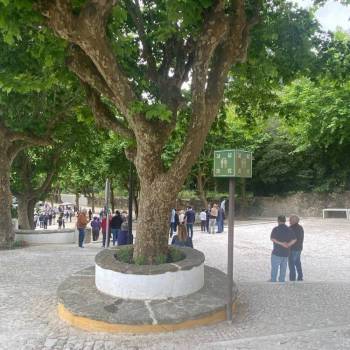
Feira da Bagageira in Sintra
Sintra (vila) · Sintra

until 27 Sept
Free
Live music
Long Live the Saloia Festival!
Casal Saloio de Outeiro de Polima · Cascais
Today
Live music
Beto Guedes celebrates 50 years of his career in Lisbon: a historic encounter with MPB at LAV
Lisboa ao Vivo · Lisbon

Fri 2 Oct 21:00
Theatre
The Diving Bell and the Butterfly
AMAS-Aud.Mun.AntónioSilva · Sintra
5€

Sun 4 Oct 10:00
Free
Party
Animal Party 2026
Parque Marechal Carmona · Cascais
- Partimento – Family Edition Today· Free IDB Rooftop by Mirari · Lisbon
- Concerts for Babies – A Bebé Curiosa Tue 29 Sept Centro Cultural Olga Cadaval · Sintra
- ELEVIN + TREBLE - Open-Air + Club - Sunset to Sunrise Sat 3 Oct· 17:00 Praia de Bafureira · Cascais
- FESTIVAL BIG BANG: CLOUDBUSTING Sat 3 Oct· 11:00 Centro Cultural de Belém · Lisbon
- Nights of the Rescue of Being Mon 5 Oct· 18:00 Eco Retiro de Galamares · Sintra
- Beyond words: where poetry becomes sound, piano recital by Felipe Novellino Sat 10 Oct· 17:00· Free Museu da Música Portuguesa · Cascais
Afternoon 2 events
In the @oquetequerodizer project, André writes unique typewritten portrait-poems for strangers who sit before him, without exchanging words. Target audience: M/55.
Evening 5 events
Techno Yoga with Kate Zubok
DJ set
Breathwork, yoga and conscious movement fused with dancing to Berlin minimal techno, guided by DJ, producer and yogi Kate Zubok every Wednesday at TEJÁ House on the Cais do Sodré riverside — no experience needed.
Carmen
45€ Live music
Georges Bizet's Carmen, based on Prosper Marimée's novella, tells the story of the gypsy woman who dies in the name of freedom and love. Revisited by countless directors, it remains one of the most striking contemporary myths.
Bernardo Tinoco Creature Close-up (Bernardo Tinoco, Malina Midera, Minki Cho e Patrycja Wybranczyk) ⟡ José Lencastre
13€ Live music
Bernardo Tinoco presents his new international quartet Creature Close-up, with Malina Midera, Minki Cho and Patrycja Wybrańczyk, in a contemporary jazz concert.
Ricardo Reis Soares | Daniela Galhoz
12€ 6+ Family friendly Live music
A concert by Ricardo Reis Soares and Daniela Galhoz at Coliseu Club, featuring intimate songwriting and indie/alt sounds. The show is expected to last 1h40 and is recommended for ages 6 and over.
Mothership
10€ DJ set
Every Wednesday from midnight to 6am, the Visionaries and Freaky Fiction alliance invites you aboard the Mothership at Temple Club for galactic journeys with ritualistic aesthetics, with open bar (beer) until 1am and free entry on your birthday.